

Upper Blepharoplasty Gallery
$$MultiPurposeText$$
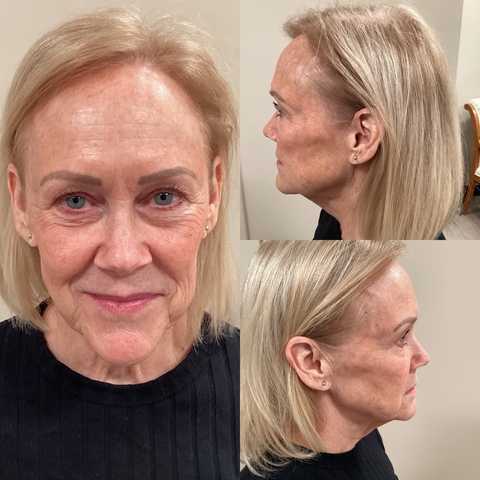
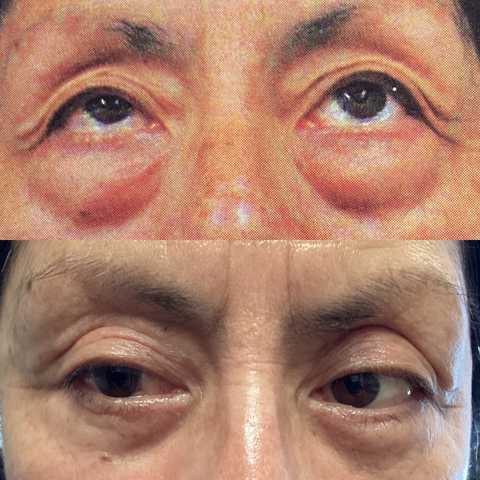
See examples of our Upper Blepharoplasty work and results.


What Our Clients Say
$$MultiPurposeText$$
Read testimonials from our satisfied customers

I had a fantastic experience with Dr. Ronald Perlman and his wonderful team for nose fille...more

I’ve been going to Dr. Perlman for years. His office staff is always warm and so friendly....more
I’ve been to Dr. Perlman for a couple of procedures. Chin/neck lipo, blephy (upper/lower l...more

I was scared and hesitant, at 65 yrs old to proceed with surgery on my stomach and breast ...more

I went to Dr. Perlman with my particular facial concern which has bothered me and caused m...more

I visited Dr Perlman for a consultation to have a tummy tuck and breast augmentation in Ma...more

Frequently Asked Questions
Get answers to common questions about Upper Blepharoplasty.
Most patients have swelling and bruising for one to two weeks and can resume light activities within 7–10 days. Complete healing and final contour refinement typically occur over several weeks to months, with gradual reduction in residual swelling.
Incisions follow natural eyelid creases and are meticulously closed to minimize scarring. Initially faint lines may be visible but typically fade and become inconspicuous within months, especially with proper care and sun protection.
Many upper blepharoplasties can be done under local anesthesia with minimal sedation for comfort. General anesthesia is available for anxious patients or combined procedures. Dr. Perlman discusses the safest, most comfortable anesthesia option during your consultation.
Results are long-lasting because excess skin and fat are removed, but natural aging continues. Many patients enjoy years of improved eyelid contour; touch-up procedures may be considered later if additional laxity or changes occur.
Good candidates are in overall good health, non-smokers, and concerned about excess upper eyelid skin or puffiness. A consultation evaluates skin laxity, vision interference, medical history, and realistic goals to recommend appropriate surgical or non-surgical options.
Dr. Perlman reviews your medical history, examines eyelid anatomy, photographs the area, and discusses goals and risks. He explains the procedure, anesthesia options, recovery timeline, and answers questions to create a personalized surgical plan.