

Rhinoplasty (nose job) Gallery
$$MultiPurposeText$$
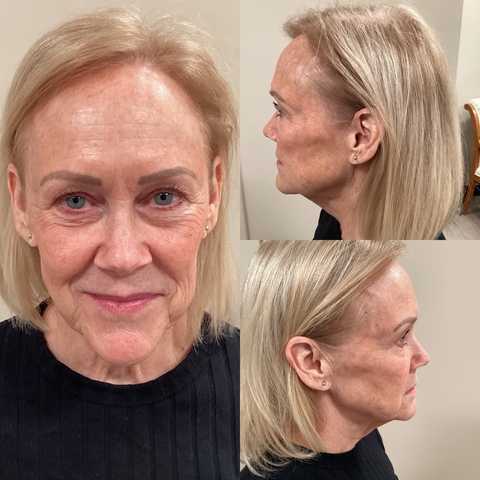
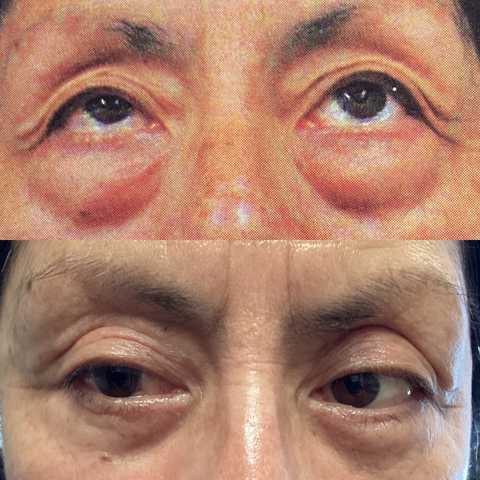
See examples of our Rhinoplasty (nose job) work and results.


What Our Clients Say
$$MultiPurposeText$$
Read testimonials from our satisfied customers

I had a fantastic experience with Dr. Ronald Perlman and his wonderful team for nose fille...more

I’ve been going to Dr. Perlman for years. His office staff is always warm and so friendly....more
I was scared and hesitant, at 65 yrs old to proceed with surgery on my stomach and breast ...more

I went to Dr. Perlman with my particular facial concern which has bothered me and caused m...more

I visited Dr Perlman for a consultation to have a tummy tuck and breast augmentation in Ma...more

I am very happy with Dr. Perlman. He is so talented and also so good at making you feel c...more

Frequently Asked Questions
Get answers to common questions about Rhinoplasty (nose job).
Most patients return to desk work within 1–2 weeks; visible bruising and swelling subside over weeks. Significant swelling can linger for months, with subtle refinements continuing up to a year. Dr. Perlman provides a personalized recovery plan and follow-up schedule.
Yes — rhinoplasty can both improve nasal form and correct internal structures like a deviated septum. Dr. Perlman combines cosmetic reshaping with functional repairs to enhance appearance while restoring airflow and reducing nasal obstruction symptoms.
Good candidates are adults in good general health with completed facial growth, realistic expectations, and no uncontrolled medical issues. Prior nasal injuries or breathing problems often qualify you, and Dr. Perlman will evaluate anatomy and goals during consultation.
Rhinoplasty is most commonly performed under general anesthesia for patient comfort and precise control. In select minor cases, local anesthesia with IV sedation may be used. An anesthesiologist reviews options and risks during your preoperative appointment.
You’ll notice immediate shape changes after surgery, but final results require swelling resolution. Most patients see significant refinement by three to six months; final subtle changes may take up to twelve months as tissues settle and scar softening occurs.
Risks include bleeding, infection, persistent swelling, asymmetry, nasal obstruction, or the need for revision surgery. Dr. Perlman minimizes complications through careful planning, surgical technique, and thorough preoperative assessment; risks and individualized strategies are discussed during consultation.