

Lower Blepharoplasty Gallery
$$MultiPurposeText$$
See examples of our Lower Blepharoplasty work and results.


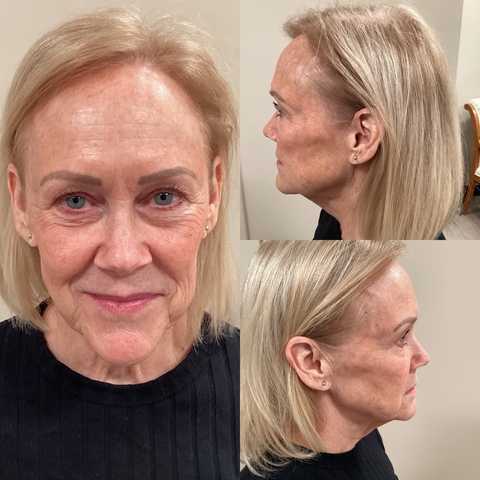
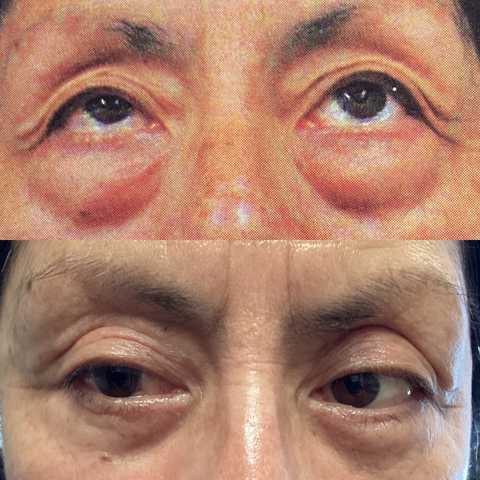
What Our Clients Say
$$MultiPurposeText$$
Read testimonials from our satisfied customers

I had a fantastic experience with Dr. Ronald Perlman and his wonderful team for nose fille...more

I’ve been going to Dr. Perlman for years. His office staff is always warm and so friendly....more

I’ve been to Dr. Perlman for a couple of procedures. Chin/neck lipo, blephy (upper/lower l...more

I was scared and hesitant, at 65 yrs old to proceed with surgery on my stomach and breast ...more

I went to Dr. Perlman with my particular facial concern which has bothered me and caused m...more

I visited Dr Perlman for a consultation to have a tummy tuck and breast augmentation in Ma...more

Frequently Asked Questions
Get answers to common questions about Lower Blepharoplasty.
Candidates typically have persistent under-eye bags, excess skin, or puffiness from aging or heredity. Good overall health, realistic expectations, and non-smoking status improve suitability. Dr. Perlman evaluates anatomy and discusses surgical approach to determine individual candidacy and expected results.
Initial swelling and bruising subside within one to two weeks; most patients return to light activities after about a week. Full healing and final results may take several months. Follow postoperative instructions for swelling management and activity restrictions for optimal recovery.
Lower blepharoplasty primarily addresses fat deposits and loose skin causing bags and shadowing. It can improve the appearance of dark circles caused by contour issues, but pigmentation or thin skin may need adjunctive treatments like laser, fillers, or skin lightening for best results.
Transconjunctival (inside the eyelid) and transcutaneous (along the lash line) approaches are common. Transconjunctival avoids external scars and is ideal for fat removal; transcutaneous allows skin tightening and muscle adjustment. Dr. Perlman recommends the technique based on your anatomy and goals.
All surgery carries risks like infection, bleeding, asymmetry, dry eyes, or under- or over-correction. Serious complications are uncommon with experienced surgeons. Preoperative evaluation, careful technique, and adherence to postoperative care reduce risk. We'll review complications and management during your consultation.
Results can be long-lasting since fat removal and skin tightening address structural issues; many patients enjoy improvement for years. Natural aging continues, and some may need touch-ups or adjunctive treatments later. Maintaining sun protection and healthy lifestyle prolongs surgical benefits.