

Liposuction Gallery
$$MultiPurposeText$$
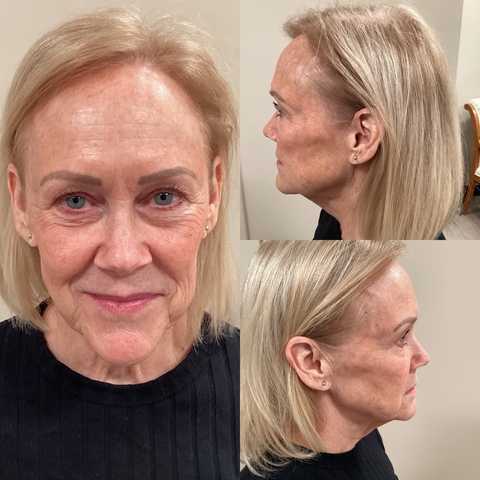
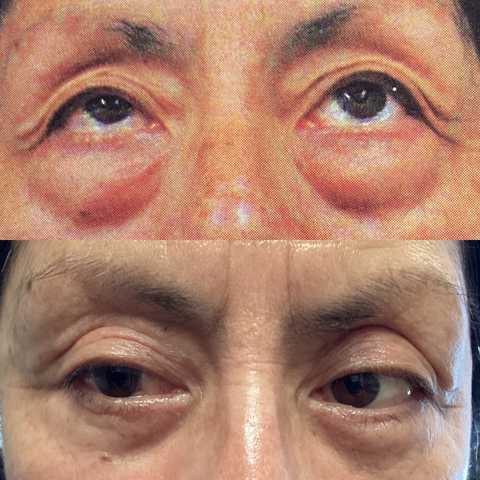
See examples of our Liposuction work and results.


What Our Clients Say
$$MultiPurposeText$$
Read testimonials from our satisfied customers

I had a fantastic experience with Dr. Ronald Perlman and his wonderful team for nose fille...more

I’ve been going to Dr. Perlman for years. His office staff is always warm and so friendly....more

I’ve been to Dr. Perlman for a couple of procedures. Chin/neck lipo, blephy (upper/lower l...more

I was scared and hesitant, at 65 yrs old to proceed with surgery on my stomach and breast ...more

I went to Dr. Perlman with my particular facial concern which has bothered me and caused m...more

I visited Dr Perlman for a consultation to have a tummy tuck and breast augmentation in Ma...more

Frequently Asked Questions
Get answers to common questions about Liposuction.
Ideal candidates are close to their goal weight with firm skin and localized fat deposits. Liposuction isn't a weight-loss tool; medical history, skin quality, and realistic expectations are reviewed during consultation to determine suitability and personalized plan.
Most patients return to light activities within a few days; swelling and bruising peak in the first week. Strenuous exercise is typically restricted for two to six weeks depending on treated areas and extent of surgery; follow personalized postoperative instructions.
Liposuction removes underlying fat but does not reliably eliminate cellulite or stretch marks. Skin texture may improve slightly as contours change, but separate treatments like laser therapy or skin tightening may be recommended for those specific concerns.
Risks include infection, bleeding, contour irregularities, numbness, and fluid accumulation. Careful patient selection, sterile technique, conservative fat removal, and close follow-up reduce complications. Dr. Perlman discusses individual risks and a tailored plan during consultation.
Because removed fat cells do not regenerate, results can be long-lasting when weight is maintained. Significant weight gain can alter outcomes. Regular exercise, balanced diet, and follow-up visits help preserve contour and overall improvements.
Yes. Liposuction is often combined with abdominoplasty, breast procedures, or body lifts to enhance overall contour. Combining procedures may increase operative time and recovery, but offers coordinated results. Dr. Perlman will discuss safety, sequencing, and expected outcomes during planning.