

Lip Lift & Sculpting Gallery
$$MultiPurposeText$$
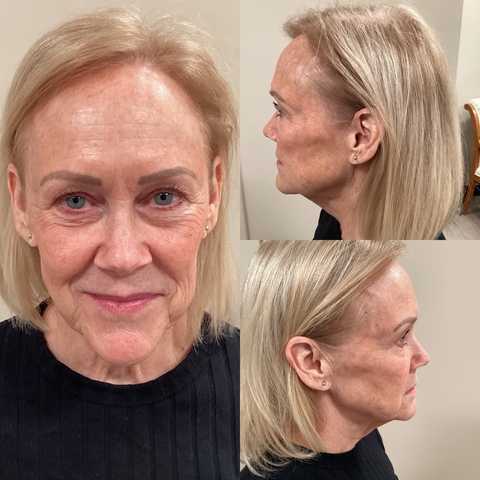
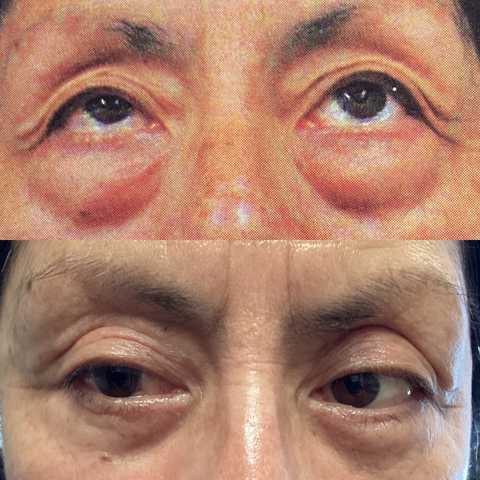
See examples of our Lip Lift & Sculpting work and results.


What Our Clients Say
$$MultiPurposeText$$
Read testimonials from our satisfied customers

I had a fantastic experience with Dr. Ronald Perlman and his wonderful team for nose fille...more

I’ve been going to Dr. Perlman for years. His office staff is always warm and so friendly....more

I was scared and hesitant, at 65 yrs old to proceed with surgery on my stomach and breast ...more

I went to Dr. Perlman with my particular facial concern which has bothered me and caused m...more

I visited Dr Perlman for a consultation to have a tummy tuck and breast augmentation in Ma...more

I am very happy with Dr. Perlman. He is so talented and also so good at making you feel c...more

Frequently Asked Questions
Get answers to common questions about Lip Lift & Sculpting.
Good candidates are healthy adults seeking subtle lift or shape refinement. Those with prior filler overcorrection may also benefit. A consultation evaluates medical history, aesthetic goals, and tissue anatomy to determine if conservative surgical sculpting is appropriate and safe.
Initial swelling and bruising typically subside within one to two weeks. Most patients return to light activities within several days, with final results and internal healing continuing over several months. We provide clear aftercare instructions to support optimal healing.
Yes, conservative surgical sculpting can address irregularities from prior over-injections. Techniques may include targeted tissue revision or selective filler removal combined with reshaping to achieve balanced volume and contour while prioritizing safety.
Results are long-lasting; many patients enjoy improved lip position and contour for years. Natural aging continues, but the surgical changes are durable. Occasional touch-ups with filler can refine volume if desired, while the lift effect typically remains.
Risks include swelling, bruising, asymmetry, infection, altered sensation, and visible scarring. Careful surgical technique and proper aftercare reduce complications. We review individualized risk factors during consultation and provide detailed pre- and post-operative guidance.
The goal is to preserve natural animation and expression. Conservative techniques prioritize muscle function and subtle elevation, minimizing disruption to smiling or speech. Temporary numbness or stiffness can occur, but long-term changes in movement are uncommon with careful planning.