

Jawline Contouring Gallery
$$MultiPurposeText$$
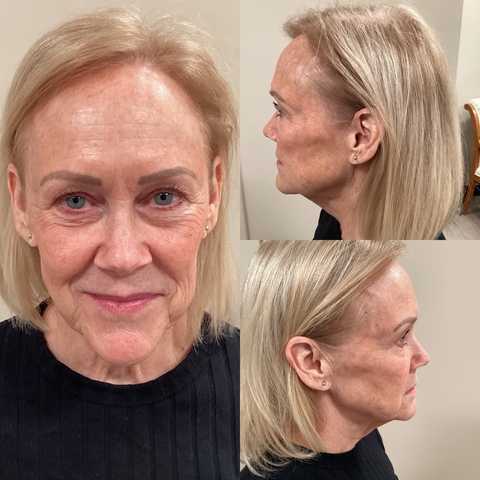
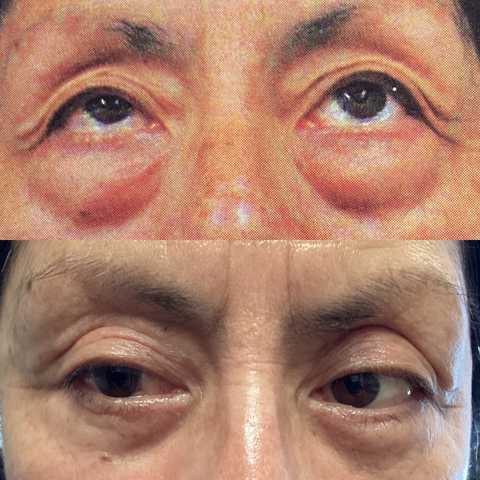
See examples of our Jawline Contouring work and results.


What Our Clients Say
$$MultiPurposeText$$
Read testimonials from our satisfied customers

I had a fantastic experience with Dr. Ronald Perlman and his wonderful team for nose fille...more

I’ve been going to Dr. Perlman for years. His office staff is always warm and so friendly....more

I was scared and hesitant, at 65 yrs old to proceed with surgery on my stomach and breast ...more

I went to Dr. Perlman with my particular facial concern which has bothered me and caused m...more

I visited Dr Perlman for a consultation to have a tummy tuck and breast augmentation in Ma...more

I am very happy with Dr. Perlman. He is so talented and also so good at making you feel c...more

Frequently Asked Questions
Get answers to common questions about Jawline Contouring.
Candidates typically include healthy adults seeking improved lower-face definition. A consultation evaluates bone structure, skin quality, medical history, and aesthetic goals to determine suitability and the optimal surgical technique for safe, natural, and lasting results.
Most patients experience swelling and bruising for two to three weeks, with noticeable improvement by four to six weeks. Light activities resume quickly, while full healing and final contour refinement may take several months.
Techniques prioritize concealed incisions—often inside the mouth or in natural creases—minimizing visible scarring. Dr. Perlman uses meticulous closure and post-op care to promote discreet healing; scar visibility typically fades significantly over months.
Surgical jawline contouring offers long-lasting structural improvements; many patients enjoy durable definition for years. Aging and lifestyle factors may alter appearance over time, but results are typically permanent to the bone, with occasional touch-ups optional.
As with any surgery, risks include infection, bleeding, nerve injury affecting sensation or movement, asymmetry, and scarring. Comprehensive preoperative evaluation and Dr. Perlman's experienced technique minimize complications; specific risks are reviewed during consultation and consent.
Yes. Jawline contouring is frequently paired with chin augmentation, neck liposuction, facelift, or fat grafting to achieve harmonious proportions. Combining procedures can optimize results and reduce total recovery time; Dr. Perlman will tailor a safe, staged or single-session plan.