

Breast Reduction Gallery
$$MultiPurposeText$$
See examples of our Breast Reduction work and results.


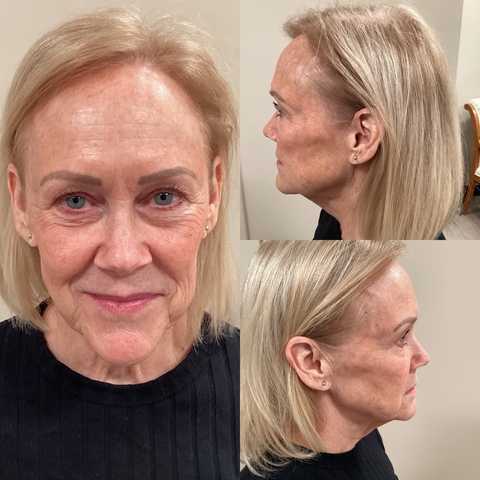
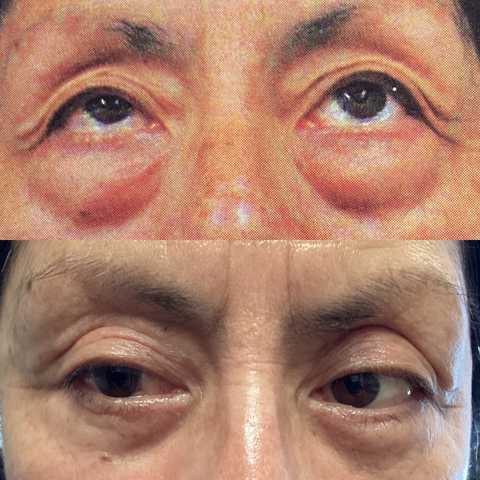
What Our Clients Say
$$MultiPurposeText$$
Read testimonials from our satisfied customers

I had a fantastic experience with Dr. Ronald Perlman and his wonderful team for nose fille...more

I’ve been going to Dr. Perlman for years. His office staff is always warm and so friendly....more

I was scared and hesitant, at 65 yrs old to proceed with surgery on my stomach and breast ...more

I went to Dr. Perlman with my particular facial concern which has bothered me and caused m...more

I visited Dr Perlman for a consultation to have a tummy tuck and breast augmentation in Ma...more

I am very happy with Dr. Perlman. He is so talented and also so good at making you feel c...more

Frequently Asked Questions
Get answers to common questions about Breast Reduction.
Initial recovery typically takes two to four weeks, with gradual return to normal activities. Avoid heavy lifting and vigorous exercise for six weeks, and follow postoperative guidelines for optimal healing and scar management.
Breastfeeding ability can be affected depending on technique and tissue removed. Many patients can breastfeed, but discuss your desire to nurse beforehand to plan a technique that preserves ducts and function.
Scars vary by incision pattern and individual healing. Common placements include around the areola and vertical or inframammary incisions. Scars fade over time and scar-care strategies help minimize visibility.
Complications are uncommon but can include bleeding, infection, asymmetry, altered nipple sensation, or poor wound healing. A thorough consultation assesses risk factors and outlines steps to reduce complications.
Results are long-lasting, though natural aging, weight fluctuations, and pregnancies can change breast size and shape. Maintaining a stable weight helps preserve the surgical outcome for many years.
Insurance may cover breast reduction when medical documentation shows pain, skin issues, or functional limitations. Requirements vary; submit medical records, conservative treatment history, and preauthorization documentation to your insurer.