

TMJ Therapy Gallery
$$MultiPurposeText$$
See examples of our TMJ Therapy work and results.


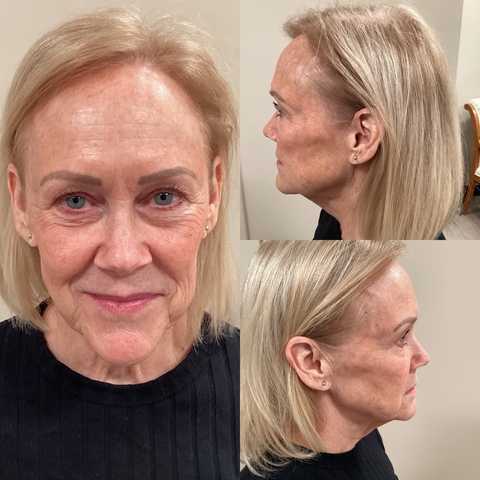
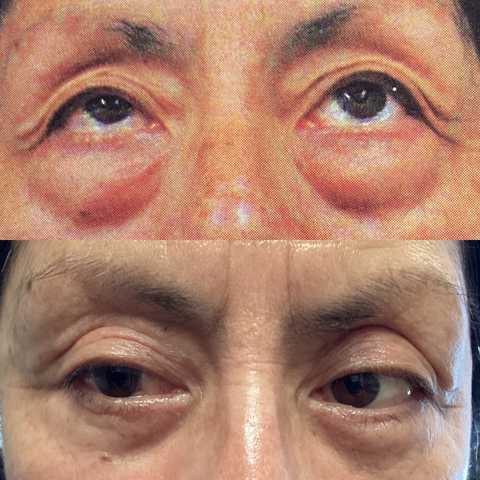
What Our Clients Say
$$MultiPurposeText$$
Read testimonials from our satisfied customers

Dr Perlman and his staff are great, first class and everything that they did for me has be...more

I had a fantastic experience with Dr. Ronald Perlman and his wonderful team for nose fille...more

I have facials with Atena who is extremely knowledgeable and professional. She is truly a ...more

The best in the business. Period. AND all the staff there is amazing as well.

Dr. Perlman and his team are everything ❤️. Skills, products, services, customer service, ...more

Dr. Perlman is an exceptional doctor. Not only is he a phenomenal doctor, he’s also a wond...more

Frequently Asked Questions
Get answers to common questions about TMJ Therapy.
Most patients notice reduced jaw tightness within 3–7 days, with peak relief around two weeks. Effects typically last three to six months, but individual response varies; follow-up treatments are scheduled based on symptom return and clinical evaluation.
Yes, when administered by experienced physicians it's considered safe. Common risks are temporary bruising, mild weakness, or altered chewing; rare complications include unintended muscle weakness or asymmetry. Treatments are individualized and monitored to minimize risks with appropriate dosing and technique.
Treatments target specific jaw muscles to limit systemic effects. Temporary mild weakness in nearby muscles can occur but is uncommon when dosing is precise. Any changes are generally short-lived and reversible; Dr. Perlman customizes placement to preserve natural facial movement and expression.
Avoid anti-inflammatory medications for a few days if advised, arrive with a list of medications and medical history, and plan light activities afterward. Expect brief discomfort, possible localized swelling, and follow-up instructions for monitoring symptoms and scheduling repeat treatments.
Ideal candidates have muscle-related TMJ pain, frequent clenching, or jaw tension unrelieved by conservative care. A full evaluation rules out structural joint disease; Dr. Perlman may combine injections with therapies like oral appliances or physical therapy for best results.
Coverage varies by insurer and diagnosis; many plans consider injections medically necessary for documented TMJ disorders, while others classify them as cosmetic. Our staff can help verify benefits, provide necessary clinical documentation, and explore payment or financing options if coverage is limited.